
Air rifle lubrication needs depend on the model. For spring-piston rifles, apply a small amount of light oil like Teflon-based or silicone lubricant to the piston seal and spring guide. For CO2 rifles, use a drop of CO2-specific oil in the valve.
An air rifle lubrication guide is a set of instructions detailing how and when to apply lubricants to maintain the performance and longevity of air rifles.
Think of air rifle lubrication like oiling a bicycle chain; it reduces friction, prevents wear, and keeps everything running smoothly.
Key facts
- Lubrication is crucial for air rifles to prevent metal-on-metal wear and maintain air seals.
- Different parts of an air rifle require specific types of lubricant.
- Over-lubrication can be as harmful as under-lubrication.
- Regular lubrication extends the life of your air rifle and ensures consistent accuracy.
01Why is lubrication essential for air rifles?
Air rifles operate under high pressure and involve moving parts that create friction. Without proper lubrication, these parts can wear out quickly, leading to decreased performance and potential damage. For example, the piston in a spring-piston air rifle moves rapidly back and forth, and without lubrication, this movement can cause excessive wear on the piston seal. Lubrication reduces this friction, ensuring the piston moves smoothly and maintains an effective air seal.
The first time I really looked at the inner workings of an air rifle, I was struck by how much the piston and cylinder resembled the components of an engine. Just like in an engine, lubrication is vital to keep everything functioning correctly. The piston, in particular, benefits from a light coat of lubricant to reduce wear and maintain its efficiency. Over time, I’ve learned that skipping lubrication can lead to a significant drop in power and accuracy, making it a crucial part of air rifle maintenance.
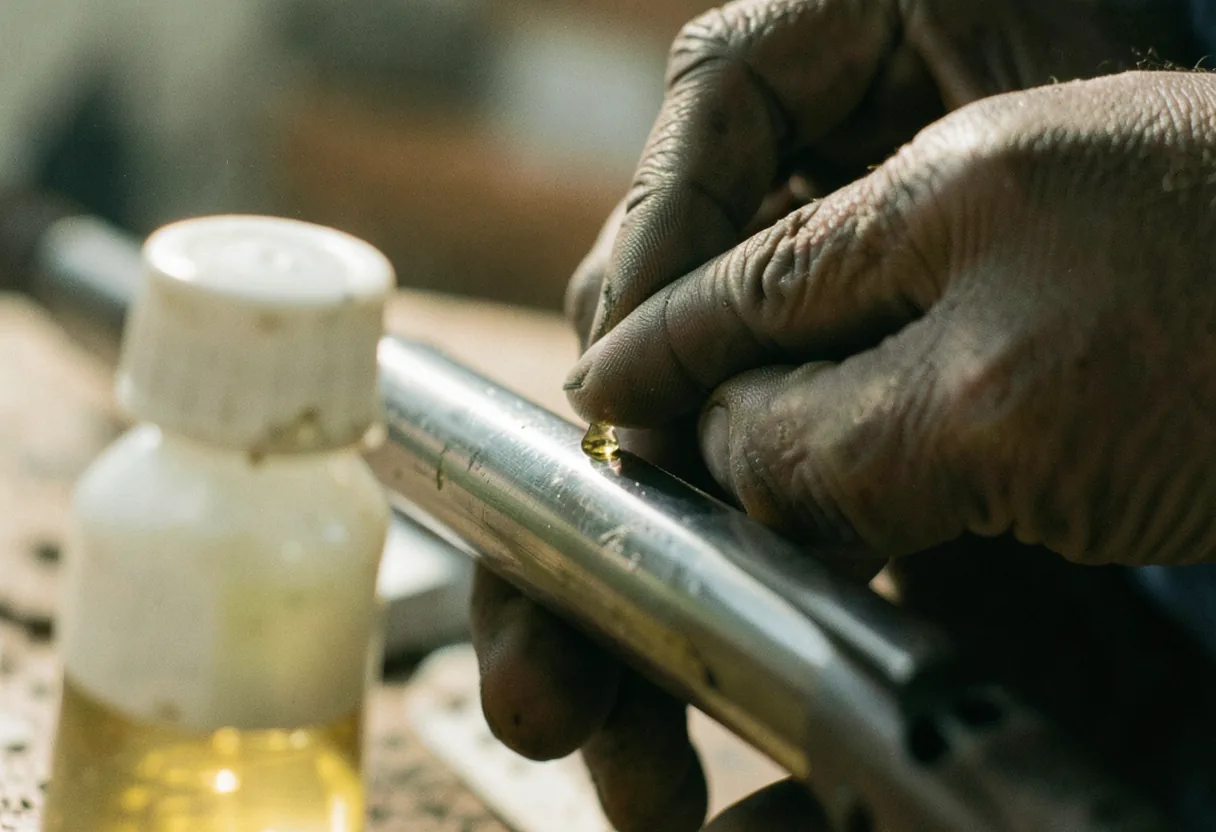
02What type of lubricant should you use for air rifles?
The type of lubricant you use depends on the specific part of the air rifle you’re maintaining. Generally, you’ll need a high-quality, non-silicone-based lubricant designed for airguns. Silicone lubricants can attract dust and debris, which can clog up the rifle’s mechanisms. For metal-to-metal contacts, such as the piston and cylinder, a grease-like lubricant is often best. For moving parts like the trigger mechanism, a lighter oil is typically more appropriate.
One of the most recommended lubricants in the air rifle community is the Ultra-Lube 20 by Slide-Glo. This lubricant is specifically designed for airguns and is known for its long-lasting properties and resistance to attracting dirt. Another popular choice is the Pyranha Synthetic Grease, which is excellent for high-pressure areas like the piston seal.
03How often should you lubricate your air rifle?
The frequency of lubrication depends on how often you use your air rifle. As a general rule, you should lubricate your air rifle every 500 to 1,000 shots, or at least once every three months if you’re not shooting that frequently. However, this can vary based on the specific model and the conditions in which you use it. For instance, if you’re shooting in a dusty environment, you might need to lubricate more often to prevent debris from causing wear.
It’s also a good idea to lubricate your air rifle before storing it for an extended period. This helps prevent corrosion and ensures that the rifle is ready to use when you take it out of storage. Always refer to your air rifle’s manual for specific recommendations, as different models may have different maintenance requirements.
04Air rifle lubrication guide: step-by-step process
Lubricating your air rifle involves several steps to ensure all the necessary parts are properly maintained. Here’s a step-by-step guide to help you through the process:
- Clean the rifle: Before applying any lubricant, make sure your air rifle is clean. Use a cleaning rod and patches to remove any dirt or debris from the barrel and other parts. Refer to the air rifle barrel cleaning guide for detailed instructions.
- Disassemble the rifle: Carefully disassemble the air rifle according to the manufacturer’s instructions. This will give you access to the internal components that need lubrication.
- Apply lubricant to the piston: Apply a small amount of grease-like lubricant to the piston and the piston seal. Be careful not to over-lubricate, as excess lubricant can attract dirt and debris.
- Lubricate the cylinder: Apply a thin layer of lubricant to the inside of the cylinder. This will help reduce friction as the piston moves back and forth.
- Lubricate moving parts: Use a lighter oil to lubricate the trigger mechanism and other moving parts. Apply a small drop of oil to each pivot point and allow it to spread naturally.
- Reassemble the rifle: Once you’ve lubricated all the necessary parts, reassemble the air rifle according to the manufacturer’s instructions.
- Test the rifle: After reassembling, test the rifle to ensure it’s functioning correctly. Fire a few shots to distribute the lubricant evenly and check for any issues.
05Common mistakes to avoid when lubricating your air rifle
While lubrication is essential for maintaining your air rifle, there are several common mistakes that can cause more harm than good. One of the most frequent mistakes is over-lubrication. Applying too much lubricant can attract dirt and debris, which can clog up the rifle’s mechanisms and cause malfunctions. It’s better to apply a small amount of lubricant and reapply as needed rather than drowning the parts in oil or grease.
Another common mistake is using the wrong type of lubricant. As mentioned earlier, silicone-based lubricants can attract dirt and should be avoided. Additionally, using a lubricant not designed for airguns can lead to poor performance and potential damage. Always use a high-quality, non-silicone-based lubricant specifically designed for air rifles.
Finally, neglecting to clean the rifle before lubrication can lead to trapped dirt and debris, which can cause wear and tear over time. Always make sure your air rifle is clean before applying any lubricant. This will help ensure that the lubricant can do its job effectively and that your rifle remains in good condition.
06Air Rifle Lubrication Guide: Additional Tips
In addition to regular lubrication, there are other steps you can take to maintain your air rifle and extend its lifespan. Proper storage is crucial, especially if you won’t be using the rifle for an extended period. Before storing your air rifle, make sure it’s clean and lightly lubricated. Store it in a cool, dry place away from direct sunlight and extreme temperatures. For more tips on preparing your air rifle for storage, refer to the air rifle storage preparation guide.
Regular maintenance of other parts, such as the O-rings and springs, is also essential. Over time, O-rings can wear out and lose their effectiveness, leading to air leaks and decreased performance. Refer to the air rifle O-ring replacement guide for instructions on how to inspect and replace worn O-rings. Similarly, the spring in a spring-piston air rifle can wear out over time, affecting the rifle’s power and accuracy. The air rifle spring maintenance tips guide provides valuable information on maintaining and replacing the spring as needed.
07Air Rifle Lubrication Guide: Maintenance Schedule
To keep your air rifle in top condition, it’s helpful to follow a maintenance schedule. This schedule should include regular cleaning, lubrication, and inspection of all parts. The table below provides a general maintenance schedule based on usage frequency.
08Air Rifle Lubrication Guide: Recommended Lubricants
Choosing the right lubricant is crucial for maintaining your air rifle’s performance. The table below lists some of the most recommended lubricants for air rifles, along with their specific uses and benefits.
09Air Rifle Lubrication Guide: Environmental Considerations
When maintaining your air rifle, it’s important to consider the environmental impact of the lubricants you use. Some lubricants contain harmful chemicals that can contaminate soil and water if not disposed of properly. To minimize your environmental footprint, choose biodegradable lubricants like Ballistol, which are designed to break down naturally without causing harm to the environment.
Additionally, always follow proper disposal guidelines for used lubricants and cleaning materials. Many local waste management facilities offer recycling programs for hazardous materials, including oils and greases. By disposing of these materials responsibly, you can help protect the environment while maintaining your air rifle.
Another environmental consideration is the storage of your air rifle. Storing your rifle in a cool, dry place away from direct sunlight and extreme temperatures can help extend its lifespan and reduce the need for frequent maintenance. Proper storage also ensures that the lubricants used do not degrade prematurely, which can lead to increased wear and tear on the rifle’s components.
10Air Rifle Lubrication Guide: Advanced Maintenance Techniques
For those who want to take their air rifle maintenance to the next level, there are several advanced techniques that can help improve performance and longevity. One such technique is the use of a compressed air duster to clean hard-to-reach areas of the rifle. This tool can effectively remove dirt and debris from the barrel, trigger mechanism, and other components without the need for disassembly.
Another advanced technique is the use of ultrasonic cleaning. This process involves placing the air rifle’s components in a specialized cleaning solution and using high-frequency sound waves to remove dirt and debris. Ultrasonic cleaning is particularly effective for cleaning the barrel and other intricate parts of the rifle. However, it’s important to note that not all air rifle components are suitable for ultrasonic cleaning, so always consult the manufacturer’s guidelines before proceeding.
For those who are serious about maintaining their air rifles, investing in a high-quality cleaning kit can make a significant difference. The Crosman Precision Cleaning Kit is a popular choice among air rifle enthusiasts. This kit includes a variety of brushes, cleaning rods, and patches designed specifically for air rifles. It also comes with a handy carrying case, making it easy to transport and store.
Regular lubrication is a vital part of air rifle maintenance. By following this air rifle lubrication guide, you can ensure your air rifle remains in top condition, providing consistent performance and accuracy. Always refer to your air rifle’s manual for specific instructions and recommendations tailored to your model. Happy shooting!
11Frequently asked questions
Why is lubrication necessary for air rifles?
Lubrication reduces friction in the piston and spring, extending their life and maintaining accuracy. For example, the Crosman 760 Pumpmaster benefits from a light coat of Dow Corning high-vacuum grease on its piston seal. Over-lubrication can cause fouling, so precision is key.
What are the best lubricants for air rifles?
Use synthetic grease like Tefgel or Dow Corning high-vacuum grease. Avoid petroleum-based products. The Umarex Walther CP99 Compact air pistol, for instance, performs best with a thin layer of Tefgel on its piston rod. Always check your manual for specific recommendations.
How often should I lubricate my air rifle?
Lubricate every 500-1000 shots or after exposure to moisture. The Benjamin Marauder, known for its high-shot count, requires more frequent lubrication due to its powerful spring. Always clean the rifle before applying lubricant to avoid trapping debris.
Can I use gun oil instead of grease for air rifle lubrication?
Gun oil is less effective for air rifles since it lacks the thick consistency needed for piston seals. The Diana RWS 350 Magnum, for example, performs better with grease. If you must use oil, choose a lightweight synthetic oil specifically designed for airguns.