
Regularly clean your air rifle spring to prevent wear. Use a soft brush to remove debris after each use. Apply a light coat of lubricant, like Teflon-based grease, to reduce friction. Inspect for cracks or damage monthly, replacing the spring if needed. Store your rifle in a dry place to avoid corrosion.
Air rifle spring maintenance tips are essential practices to ensure the longevity and performance of your spring-powered air rifle, a mechanical system where a coiled spring stores energy to propel pellets.
Think of your air rifle’s spring like the coil in a Slinky toy, it’s all about tension and release. Just as you’d keep a Slinky free of tangles to ensure smooth action, you need to maintain your air rifle’s spring to keep it shooting accurately and reliably.
Key facts
- Spring-powered air rifles, also known as spring-piston or break-barrel rifles, rely on a coiled spring and piston to propel pellets.
- Regular maintenance can extend the lifespan of your air rifle spring from a few years to over a decade.
- The spring in a high-end air rifle, such as a Weihrauch HW95, can cost over $100 to replace.
- Improper maintenance can lead to decreased accuracy, increased wear, and even catastrophic failure.
01Why is air rifle spring maintenance important?
Maintaining your air rifle’s spring is crucial because it directly impacts the rifle’s power and accuracy. A well-maintained spring ensures consistent pellet velocity and minimizes wear on other components. For instance, the spring in a Weihrauch HW77 is designed to last, but only if properly cared for. Neglecting maintenance can lead to a phenomenon called “spring fatigue,” where the spring loses its tension and the rifle’s power drops significantly.
I’ve seen firsthand how a neglected spring can turn a once-accurate rifle into an unreliable one. The first time I really looked at a worn-out spring, I noticed it was permanently deformed, like a coiled wire that had been stretched and never quite returned to its original shape. This deformation is a clear sign that the spring needs replacing, as it can no longer provide the consistent power needed for accurate shooting.
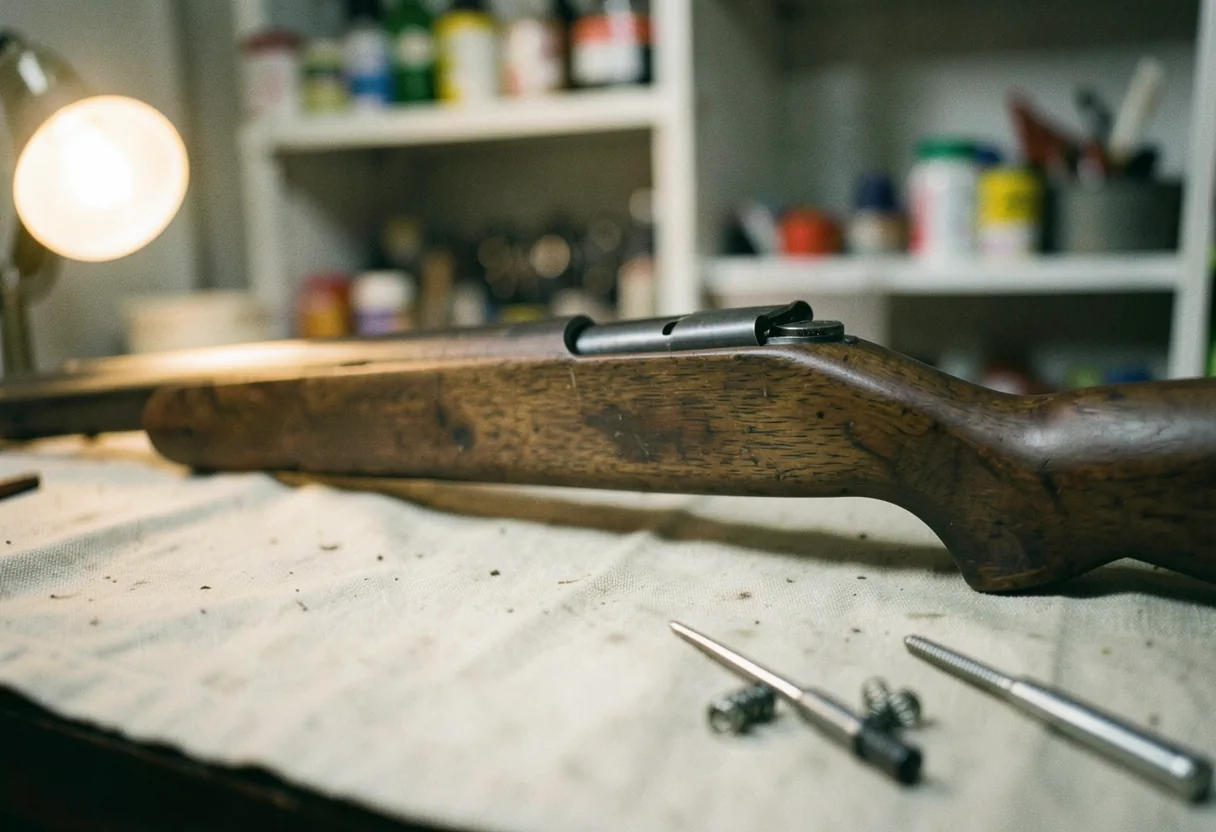
02How often should you perform air rifle spring maintenance?
The frequency of spring maintenance depends on how often you use your air rifle. As a general rule, you should inspect your spring every 500 shots or at least once a year, whichever comes first. If you shoot competitively or frequently, you might need to inspect it more often. For example, a target shooter who fires 1,000 rounds a month should inspect their spring every 250 shots.
Regular inspections should include checking for signs of wear, such as pits, cracks, or discoloration. These signs indicate that the spring is starting to fatigue and may need replacement soon. Additionally, if you notice a significant drop in power or accuracy, it’s time to inspect the spring.
03What are the essential air rifle spring maintenance tips?
Here are some specific tips to keep your air rifle’s spring in top condition:
- Break-in the spring: When you get a new air rifle or replace the spring, it’s important to break in the spring. This involves firing the rifle several times to allow the spring to settle into its operating conditions. For example, the spring in a Gamo Whisper should be broken in with about 100 shots before expecting peak performance.
- Lubricate the spring guide and piston seal: Regular lubrication is key to reducing wear on the spring. Use a high-quality lubricant like Air Rifle Lubrication Guide“>Ti-Rant Air Gun Oil, applying a few drops to the spring guide and piston seal. Be careful not to over-lubricate, as excess oil can attract dirt and debris.
- Keep the spring clean: Dirt and debris can accelerate wear on the spring. Use a soft brush to clean the spring and surrounding components. If necessary, use a mild solvent to remove stubborn grime. Always ensure the spring is completely dry before reassembling the rifle.
- Store the rifle properly: When not in use, store your air rifle in a cool, dry place. Humidity can cause rust and corrosion, which can damage the spring. Consider using a Air Rifle Storage Preparation“>dehumidifier or silica gel packets in your gun safe to control moisture levels.
04What are the signs of a failing spring?
Recognizing the signs of a failing spring can save you from unexpected failures and maintain your rifle’s performance. Some common signs include:
- Loss of power: If your air rifle suddenly loses power, it’s a clear indication that the spring may be fatigued. For instance, if your rifle typically shoots 1000 fps but suddenly drops to 800 fps, the spring is likely the culprit.
- Inconsistent accuracy: A failing spring can cause inconsistent pellet velocities, leading to poor accuracy. If your groups start to open up or shift, it’s time to inspect the spring.
- Visible wear: Inspect the spring regularly for signs of wear, such as pits, cracks, or discoloration. These visual clues indicate that the spring is nearing the end of its lifespan.
- Difficulty cocking: If the rifle becomes increasingly difficult to cock, it could be due to a worn spring. The spring loses its elasticity over time, making it harder to compress.
05How do you replace an air rifle spring?
Replacing the spring in your air rifle is a task that requires careful attention to detail. Here’s a step-by-step guide to help you through the process:
- Disassemble the rifle: Begin by disassembling the rifle according to the manufacturer’s instructions. This typically involves removing the barrel, air cylinder, and other components to access the spring.
- Remove the old spring: Carefully remove the old spring, taking note of its orientation and any associated components, such as the spring guide and piston seal.
- Inspect the spring guide and piston seal: While you have the rifle disassembled, inspect the spring guide and piston seal for wear. Replace these components if necessary. For example, the piston seal in a Air Rifle O-Ring Replacement Guide“>Weihrauch HW77 should be replaced if it shows signs of hardening or cracking.
- Install the new spring: Insert the new spring, ensuring it is properly seated and oriented. Apply a small amount of lubricant to the spring guide and piston seal before reassembling the rifle.
- Reassemble the rifle: Carefully reassemble the rifle, following the manufacturer’s instructions. Double-check that all components are properly aligned and secured.
- Break-in the new spring: Fire the rifle several times to allow the new spring to settle into its operating conditions. This typically involves firing about 100 shots before expecting peak performance.
06What are the best tools for air rifle spring maintenance?
Having the right tools can make air rifle spring maintenance much easier and more effective. Here are some essential tools and their specific uses:
07What are the common mistakes to avoid in air rifle spring maintenance?
Even with the best intentions, it’s easy to make mistakes during air rifle spring maintenance. Here are some common pitfalls and how to avoid them:
- Over-lubricating: Applying too much lubricant can attract dirt and debris, leading to increased wear. Use a minimal amount of lubricant and wipe away any excess.
- Using the wrong tools: Using improper tools can damage the spring or other components. Always use tools specifically designed for air rifle maintenance.
- Neglecting regular inspections: Waiting until problems arise to inspect the spring can lead to catastrophic failure. Regular inspections can catch issues early and prevent costly repairs.
- Improper storage: Storing the rifle in a humid or damp environment can cause rust and corrosion. Always store your air rifle in a cool, dry place.
08What are the benefits of professional air rifle spring maintenance?
While many air rifle owners perform maintenance themselves, there are benefits to having a professional handle your spring maintenance. Here are some reasons to consider professional services:
- Expertise: Professionals have the knowledge and experience to identify potential issues and provide solutions. They can also offer advice on improving your rifle’s performance.
- Specialized tools: Professionals have access to specialized tools and equipment that may not be available to the average air rifle owner.
- Time-saving: Professional maintenance can save you time and effort, allowing you to focus on shooting rather than repairs.
- Warranty protection: Some manufacturers require professional maintenance to maintain warranty coverage. Always check your rifle’s warranty terms before performing maintenance yourself.
Regular air rifle spring maintenance is essential for keeping your rifle in top condition. By following these tips and avoiding common mistakes, you can extend the lifespan of your spring and ensure consistent performance. Whether you perform maintenance yourself or seek professional services, prioritizing spring care will pay off in the long run.
09Frequently asked questions
How often should I clean the spring in my air rifle?
Clean your air rifle spring every 3-6 months, depending on usage. Disassemble the spring guide and piston, then use a soft cloth and mild solvent to remove carbon buildup. Avoid harsh chemicals that could damage the metal. Regular cleaning ensures optimal performance and extends the spring's lifespan.
What tools are needed for spring maintenance?
You'll need a spring compressor, piston removal tool, and a soft-bristle brush. A mild solvent and a clean cloth are essential for cleaning. Ensure you have a well-ventilated workspace. Always follow the manufacturer's guidelines for specific tools required for your air rifle model.
How can I tell if my air rifle spring is worn out?
Signs of a worn spring include reduced power, inconsistent velocity, and increased noise during firing. Inspect the spring for visible cracks or deformation. If the spring appears damaged or performance issues persist after cleaning, it's time for a replacement. Consult your rifle's manual for spring specifications.
Can I replace the spring myself or should I seek professional help?
Replacing the spring yourself is feasible if you're comfortable with basic mechanical work. Follow the manufacturer's instructions and use the correct tools. If you're unsure, consult a professional gunsmith. Improper installation can lead to safety hazards and damage to your air rifle.