
Air rifle hunting requires strict safety measures. Always treat the rifle as loaded, even when unloaded. Wear eye protection, like ANSI-rated goggles, to shield against ricochets. Ensure your rifle, such as the Gamo Whisper, meets local legal power limits, typically under 12 foot-pounds of muzzle energy.
Air rifle hunting safety guidelines are the rules and best practices that ensure responsible and secure use of air rifles for hunting.
Think of air rifle hunting safety guidelines as the traffic rules for hunters. Just as road signs and speed limits keep drivers and pedestrians safe, these guidelines protect hunters, bystanders, and wildlife.
Key facts
- Air rifles can fire pellets at speeds exceeding 1,000 feet per second, making them powerful enough to cause serious injury or death.
- Always treat an air rifle as if it is loaded, and never point it at anything you do not intend to shoot.
- Wear appropriate safety gear, including eye protection, to prevent injuries from ricochets or misfires.
- Ensure you are familiar with local laws and regulations regarding air rifle hunting, as they vary by region.
01Understanding air rifle hunting safety guidelines
The first time I really looked at air rifle hunting safety guidelines, I was struck by how similar they are to those for firearm hunting. The core principles revolve around respect for the weapon, awareness of your surroundings, and understanding the potential consequences of your actions. Air rifles, while often perceived as less dangerous than firearms, can still pose significant risks if not handled properly.
Air rifle hunting safety guidelines emphasize the importance of proper handling and storage. Always keep your air rifle unloaded when not in use, and store it in a secure location away from children and unauthorized users. Regular maintenance of your air rifle is also crucial to ensure it functions safely and effectively. This includes cleaning the barrel, checking for wear and tear, and ensuring that all parts are in good working order.
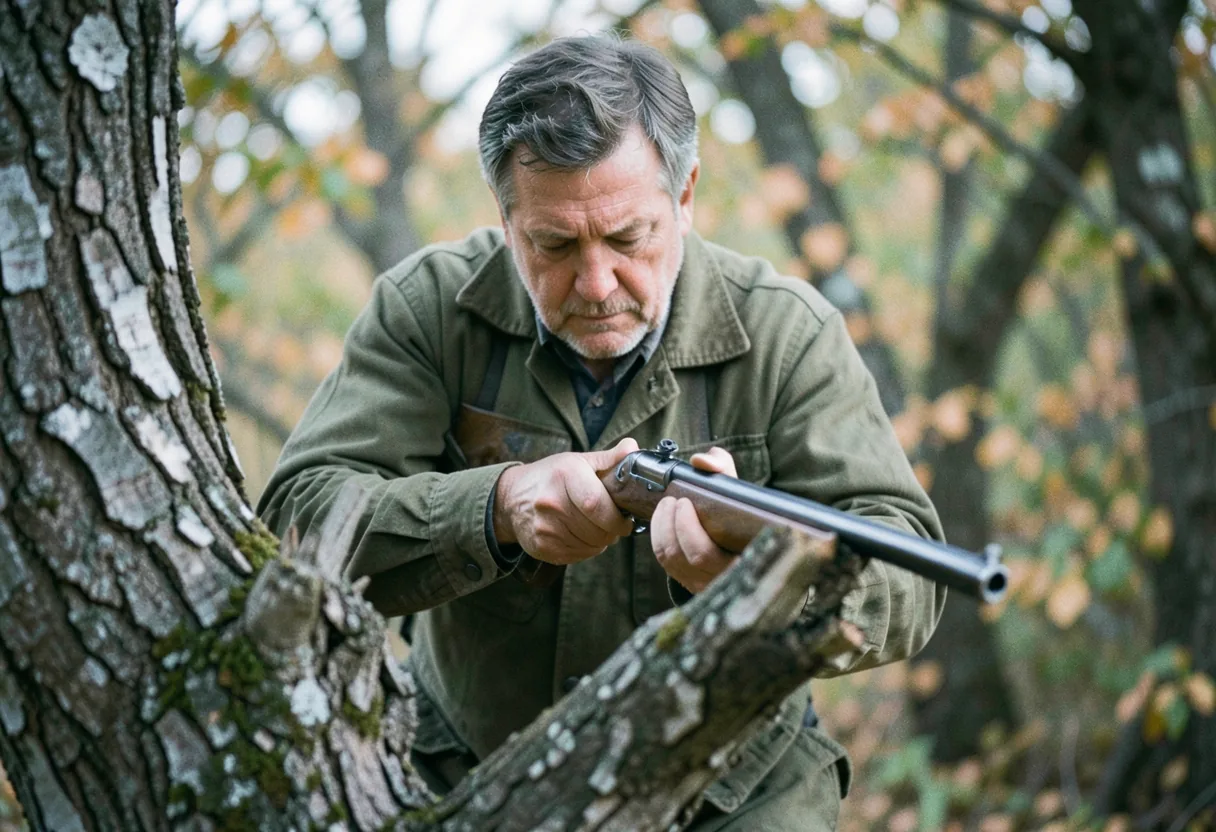
02Essential safety gear for air rifle hunting
One of the most critical aspects of air rifle hunting safety guidelines is the use of appropriate safety gear. Eye protection is non-negotiable; a stray pellet or ricochet can cause severe eye damage. Additionally, ear protection is recommended, especially when using high-powered air rifles, as the noise can be damaging over time.
Wearing high-visibility clothing can also enhance safety, particularly in areas where other hunters or bystanders might be present. This helps to ensure that you are easily seen and reduces the risk of accidental shootings. Gloves can provide a better grip on the air rifle, reducing the likelihood of accidental discharges. Always wear sturdy, closed-toe footwear to protect your feet from potential injuries.
03Legal considerations in air rifle hunting safety guidelines
Air rifle hunting safety guidelines also include adherence to local laws and regulations. Different regions have specific rules regarding the use of air rifles for hunting, including restrictions on the types of game that can be hunted and the minimum caliber of the air rifle. For example, some areas may require a minimum .177 caliber for small game hunting, while others may allow larger calibers for bigger game.
It is also important to be aware of noise restrictions. Some areas have regulations regarding the noise levels of air rifles, particularly in residential areas. Always check local ordinances to ensure you are in compliance. Additionally, obtaining the necessary permits and licenses is crucial. Many regions require hunters to have a valid hunting license and may have specific regulations for air rifle hunting.
04Proper handling and storage of air rifles
Proper handling and storage are central to air rifle hunting safety guidelines. Always point the air rifle in a safe direction, and keep your finger off the trigger until you are ready to shoot. This simple rule can prevent accidental discharges and potential injuries. When transporting your air rifle, use a protective case to prevent damage and ensure it is unloaded.
Storage of air rifles should be done in a secure location, such as a gun safe or locked cabinet. This not only prevents unauthorized access but also protects the air rifle from environmental factors like moisture and dust. Regularly inspect your storage area to ensure it remains secure and that the air rifle is in good condition. Additionally, always store pellets separately from the air rifle to reduce the risk of accidental loading.
05Safety guidelines for specific hunting scenarios
Air rifle hunting safety guidelines vary depending on the hunting scenario. For example, when hunting small game like rabbits or rats, it is important to ensure that the pellet will not travel beyond the target and cause unintended harm. This can be achieved by using appropriate backstops and understanding the trajectory of your pellets.
When hunting in wooded areas, be particularly cautious of your surroundings. Trees, branches, and other obstacles can cause pellets to ricochet, posing a risk to yourself and others. Always have a clear line of sight to your target and be aware of what lies beyond it. Additionally, when hunting in groups, establish clear communication protocols to ensure everyone is aware of each other’s positions and actions.
Comparison of Air Rifle Safety Features
Essential Safety Gear for Air Rifle Hunting
06Steps to ensure safe air rifle hunting
- Always treat your air rifle as if it is loaded and never point it at anything you do not intend to shoot.
- Wear appropriate safety gear, including eye and ear protection, high-visibility clothing, gloves, and closed-toe footwear.
- Be aware of local laws and regulations regarding air rifle hunting, including restrictions on game types and noise levels.
- Ensure proper handling and storage of your air rifle, keeping it unloaded when not in use and storing it in a secure location.
- Use appropriate backstops and understand the trajectory of your pellets to prevent unintended harm.
- Establish clear communication protocols when hunting in groups to ensure everyone is aware of each other’s positions and actions.
Always prioritize safety when engaging in air rifle hunting. By following these guidelines, you can ensure a safe and enjoyable hunting experience for yourself and others. Remember, the key to safe air rifle hunting is respect for the weapon, awareness of your surroundings, and understanding the potential consequences of your actions.
07Frequently asked questions
What's the minimum safe distance for shooting an air rifle?
The safe shooting distance depends on the rifle's power, but a general rule is 25 yards for most air rifles under 12 ft-lbs. Always check your specific model's manual. Remember, pellets can travel much further and still be deadly, so ensure you have a safe backstop.
How should I store my air rifle to prevent accidents?
Store your air rifle unloaded in a locked cabinet or gun safe. The break-barrel mechanism should be in the open position to show it's empty. Keep pellets separate and stored securely. Never leave a loaded air rifle unattended, even briefly.
What protective gear is essential when using an air rifle?
Ear protection is a must to prevent hearing damage from the rifle's report. Safety glasses shield your eyes from ricochets or pellet fragments. Gloves can improve grip and protect your hands from the cold metal. Always wear these, even for short sessions.
How can I ensure my air rifle's accuracy to prevent stray shots?
Regularly clean and maintain your air rifle. Sight it in properly at known distances. Practice good shooting posture and breath control. Use high-quality pellets for your specific rifle model. Inconsistent groups on paper indicate a need for adjustment or maintenance.