
Ethical air rifle hunting prioritizes humane kills, using appropriate calibers like .22 or .25 for small game. Shooters must ensure clean shots within 50 yards, respect property boundaries, and follow local regulations such as New York’s 100-yard buffer from dwellings.
Ethical air rifle hunting practices are the set of guidelines and principles designed to ensure humane, responsible, and environmentally conscious air rifle hunting.
Think of ethical air rifle hunting like playing chess with nature. You’re not just aiming to win (i.e., take a target), but you’re also considering every move’s impact on the board (the ecosystem), the rules (laws and regulations), and the fairness of the game (humane practices).
Key facts
- Air rifle hunting is legal for small game in many countries, but regulations vary by region.
- A .22 caliber air rifle is commonly used for hunting small pests like rats and rabbits.
- Ethical hunting requires knowing the effective range of your rifle and pellet for a clean kill.
- Always prioritize safety by ensuring no human dwellings or livestock are within the firing range.
01Why are ethical air rifle hunting practices important?
Ethical air rifle hunting practices are not just about following the law; they’re about respecting wildlife and the environment. The first time I really looked at the details of air rifle hunting, I realized how much precision and care go into doing it right. For example, using the wrong pellet or shooting from too great a distance can result in an inhumane kill, which is both cruel and counterproductive to pest control efforts. Ethical practices ensure that hunting remains a viable tool for managing populations without causing unnecessary suffering.
Moreover, ethical hunting helps maintain the balance of ecosystems. Overhunting or reckless shooting can disrupt local food chains and harm other species. By adhering to ethical guidelines, hunters contribute to sustainable wildlife management. This is especially important in areas where invasive species, like rats, threaten native flora and fauna. Proper air rifle hunting techniques, like those outlined in Air Rifle Hunting Techniques, can help control these populations effectively.
02What are the legal considerations for air rifle hunting?
Before you even pick up your air rifle, you need to be aware of the legal framework governing its use. In many places, air rifles are classified as firearms, meaning you may need a license or permit to use them for hunting. For instance, in the UK, the Air Weapons and Licensing (Scotland) Act 2015 regulates the use of air weapons, including strict rules on where and how they can be discharged. Ignorance of these laws can lead to hefty fines or even criminal charges.
Additionally, some regions have specific seasons for hunting certain animals. For example, rabbit hunting with an air rifle might be allowed year-round in some areas, while in others, it’s restricted to certain months to protect breeding populations. Always check local regulations before heading out. Websites like the British Association for Shooting and Conservation (BASC) provide up-to-date information on legal requirements and best practices.
03How do ethical air rifle hunting practices ensure humane kills?
Ethical air rifle hunting practices prioritize the humane treatment of animals. This means using the right equipment, maintaining your rifle, and understanding the anatomy of your target. For instance, a .22 caliber air rifle with a high-velocity pellet is often recommended for small game like rats and rabbits. The pellet should be designed for hunting, not just target practice, as it needs to deliver sufficient energy to ensure a quick, clean kill.
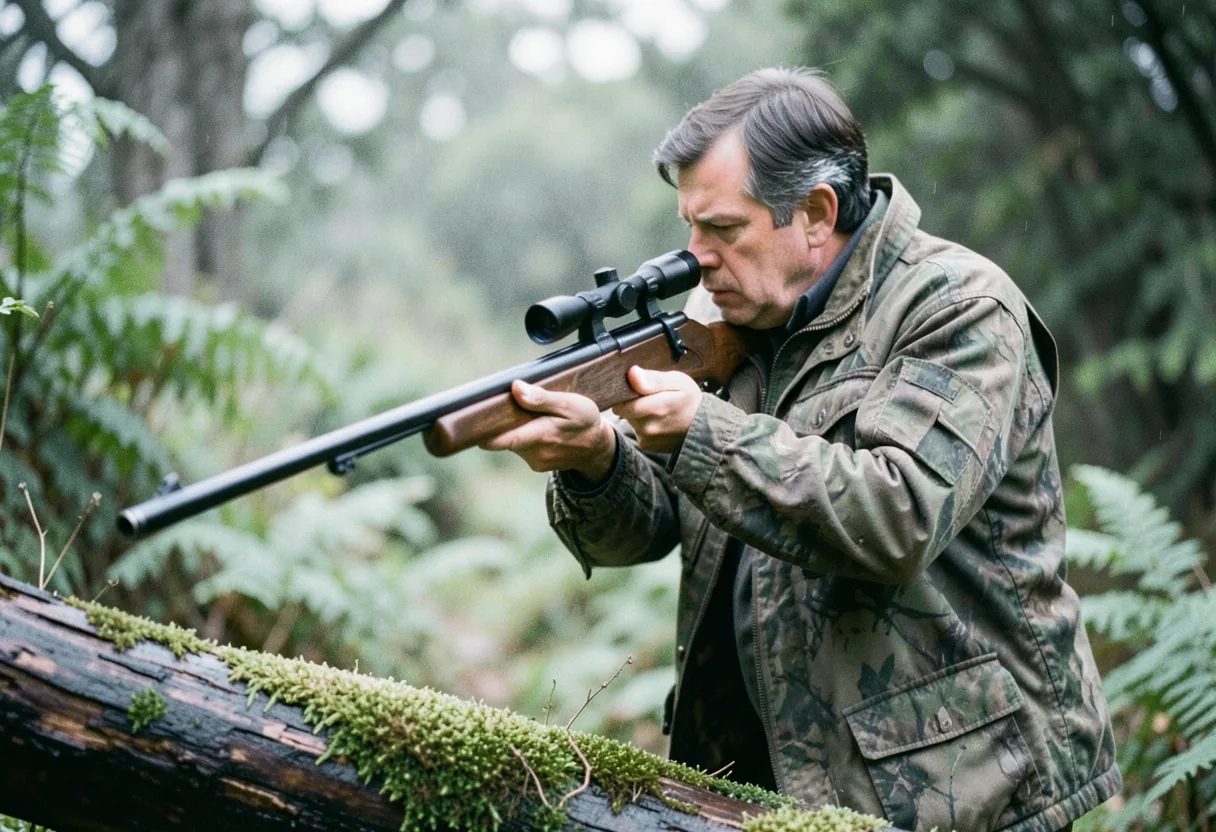
One of the most critical aspects of ethical hunting is shot placement. A well-placed shot to the brain or heart ensures a quick death, minimizing suffering. However, this requires practice and knowledge of animal anatomy. Many hunters use Air Rifle Hunting Scope Mounting to improve accuracy, but even with the best scope, practice is essential. I’ve seen hunters who rely solely on instinct miss critical shots, leading to wounded animals that suffer unnecessarily. Always aim for a clean kill shot, and be prepared to follow up if necessary.
04What equipment is essential for ethical air rifle hunting?
Having the right equipment is non-negotiable for ethical air rifle hunting. Your air rifle should be powerful enough for the game you’re hunting but not so powerful that it causes excessive damage. For example, a .177 caliber air rifle might be sufficient for rats, but for larger pests like rabbits, a .22 caliber is often more appropriate. The pellet you choose also matters; hunting pellets are typically heavier and designed to transfer energy more effectively than target pellets.
In addition to your rifle and pellets, you’ll need other gear to ensure ethical hunting. A good quality scope, like those discussed in Air Rifle Hunting Scope Mounting, can help you make accurate shots from a safe distance. Ear and eye protection are also essential, as air rifles can be loud and produce debris. Finally, always carry a backup plan, like a secondary pellet type or a backup rifle, in case something goes wrong.
05How can you minimize environmental impact while air rifle hunting?
Ethical air rifle hunting isn’t just about the animals you hunt; it’s also about respecting the environment. This means being mindful of where you shoot and how you dispose of any waste. For example, if you’re hunting rats in an agricultural area, be sure to avoid shooting near crops that could be damaged by stray pellets. Similarly, if you’re hunting in a wooded area, be cautious of the surrounding flora to avoid unnecessary damage.
Another way to minimize environmental impact is by using non-toxic pellets. Some pellets contain lead, which can contaminate the soil and water if the animal is not retrieved. Lead-free pellets are a more eco-friendly option and are just as effective for hunting small game. Additionally, always clean up after yourself. Remove any debris from your hunting spot, and if you’re using bait, make sure it’s non-toxic and won’t harm other wildlife.
06What are some common mistakes to avoid in ethical air rifle hunting?
Even experienced hunters can make mistakes, but being aware of common pitfalls can help you avoid them. One of the most frequent mistakes is underestimating the effective range of your air rifle. Just because you can see your target doesn’t mean you can ethically shoot it. Always know the maximum effective range of your rifle and pellet combination, and never take a shot beyond that distance. This is especially important when using Air Rifle Hunting Pellet Selection that may not have the stopping power at longer ranges.
Another common mistake is failing to practice enough. Ethical hunting requires precision, and that comes from regular practice. Spend time at the range or in a controlled environment to hone your skills. Additionally, always inspect your equipment before heading out. A faulty rifle or scope can lead to missed shots or, worse, injuries. Finally, never hunt under the influence of alcohol or drugs. Your judgment and reflexes need to be sharp to ensure ethical and safe hunting.
07How to follow ethical air rifle hunting practices step-by-step
- Research and understand local laws and regulations regarding air rifle hunting.
- Choose the right air rifle and pellets for the game you’re hunting.
- Practice regularly to improve your accuracy and shot placement.
- Always wear appropriate safety gear, including ear and eye protection.
- Ensure your target is within the effective range of your rifle and pellet.
- Take a clean, humane shot, aiming for vital areas like the brain or heart.
- Retrieve your target promptly to minimize suffering and environmental impact.
- Clean up after yourself, removing any debris or non-toxic bait.
- Respect the environment and other hunters by following leave-no-trace principles.
- Continuously educate yourself on ethical hunting practices and new regulations.
By following these steps and adhering to ethical air rifle hunting practices, you can ensure that your hunting activities are responsible, humane, and environmentally friendly. Always remember that the goal is not just to take a target but to do so in a way that respects both the animal and the ecosystem.
08Frequently asked questions
What's the minimum safe distance for air rifle hunting?
For ethical hunting, never take a shot beyond 35 yards with an air rifle. At this range, most .177 and .22 caliber pellets lose lethal force. Always know your rifle's effective range, factory specs often overstate it. Test your setup on paper or ballistic gel to confirm.
How can I ensure a clean kill with an air rifle?
Use premium pellets like JSB Exact RS or H&N Baracuda Hunter, designed for hunting. Aim for vital organs, lungs or heart, with a 90-degree angle for maximum effectiveness. A .22 caliber rifle firing at 12 ft-lbs or more is the UK legal minimum for small game.
What's the legal air rifle hunting season for rabbits?
In the UK, rabbits can be hunted year-round with an air rifle, but check local bylaws. In the US, seasons vary by state, California allows year-round hunting, but Texas restricts it to daylight hours. Always confirm with your state's fish and wildlife agency.
Should I use a scope for air rifle hunting?
Absolutely. A quality scope like the Hawke Airmax 30 SF improves accuracy and ethical shooting. Set it to 6x or 9x magnification for small game. Practice at different ranges to understand pellet drop. Never hunt without verifying your scope's zero at 30 yards.