
Choose a safe, enclosed area at least 15 meters long for your air rifle range. Ensure it’s free from obstacles and has a solid backstop, like a hill or thick, earth-filled barrier. Install a target stand at the far end, and position a shooting bench or rest at the firing line. Always follow local laws and safety guidelines.
How to build an air rifle range is a practical project that requires careful planning and execution to ensure safety, accuracy, and enjoyment for shooters.
Think of it like setting up a dedicated batting cage for baseball: you need clear boundaries, proper backstops, and targets that challenge the shooter without endangering others.
Key facts
- An indoor air rifle range typically requires 15 to 20 feet of space between the firing line and the target line.
- Outdoor ranges need at least 30 yards of clear space to ensure safety and accommodate different shooting distances.
- Proper ventilation is crucial to dissipate lead particles and noise, especially in indoor ranges.
- Safety backstops, such as those discussed in our guide to Air Rifle Range Safety Backstops, are mandatory to stop stray pellets.
01What you need
- A clear, flat area (indoor or outdoor) with adequate space
- Proper backstop materials (e.g., bulletproof steel, layered cardboard, or specialized air rifle backstops)
- Target stands or holders (see our guide to Air Rifle Range Target Stands for options)
- Ventilation system (especially for indoor ranges, as detailed in our article on Air Rifle Range Ventilation Systems)
- Measuring tools (tape measure, laser distance finder)
- Safety equipment (eye and ear protection, range officer)
02Step-by-step procedure
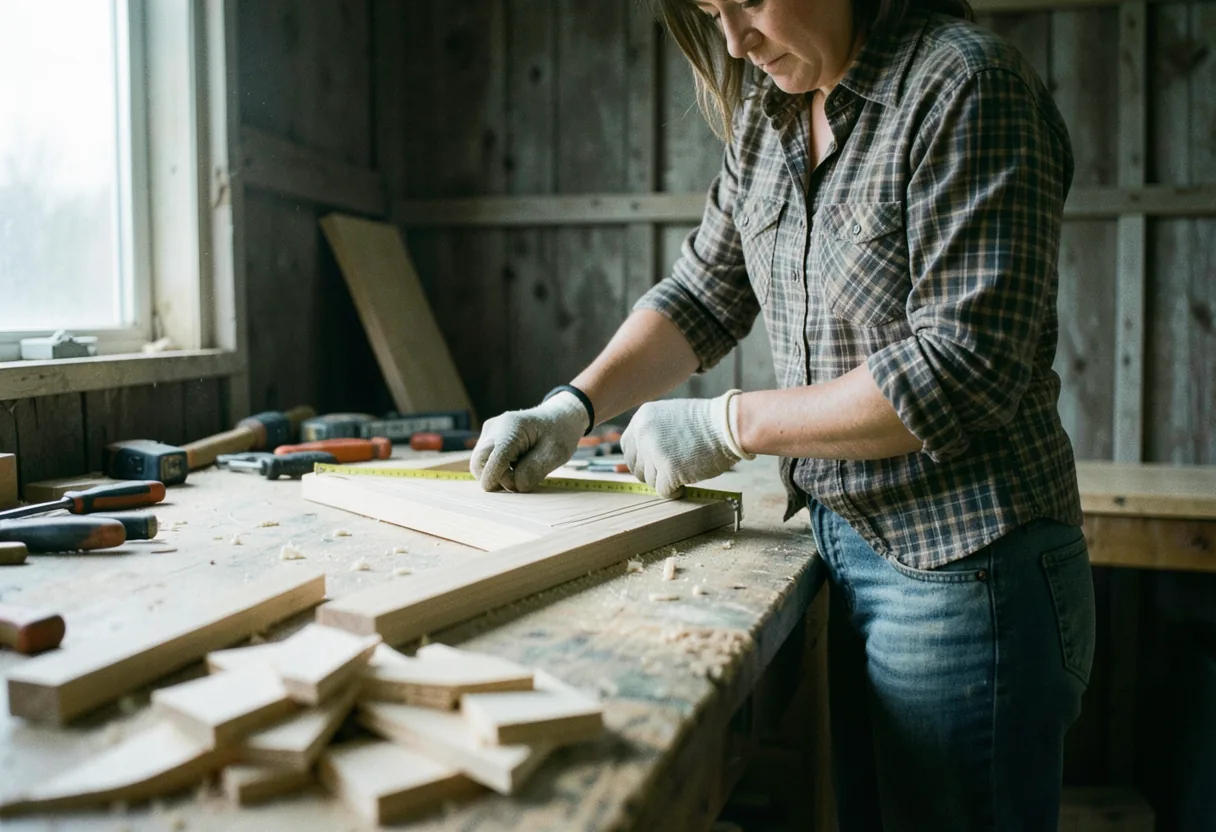
- Measure and mark the firing line and target line. For indoor ranges, 15 to 20 feet is standard. For outdoor ranges, start with at least 30 yards.
- Install safety backstops at the target line. These can be homemade or commercially purchased, but they must be capable of stopping pellets safely. For example, a layered cardboard backstop or a steel plate backstop works well.
- Set up target stands. Adjustable stands that can hold paper targets or reactive targets are ideal. Ensure they are stable and won’t tip over easily.
- Implement a ventilation system if indoors. This is crucial to remove lead particles and reduce noise. High-volume low-speed (HVLS) fans or specialized range ventilation systems can be used.
- Establish clear safety rules. This includes ensuring all shooters wear eye and ear protection, and that only one person is firing at a time. A range officer should be present to enforce these rules.
- Test the range. Fire a few pellets to ensure they are hitting the targets and not bouncing back. Adjust the backstops or targets as needed.
- Maintain the range regularly. Check for wear and tear on backstops and target stands, and clean the area to remove spent pellets and debris. For more tips, see our guide on Air Rifle Range Maintenance Tips.
- Consider adding lighting for indoor ranges or weather protection for outdoor ranges to extend usability.
- Train shooters on proper technique and safety protocols. This includes stance, breathing, and trigger control, as well as range etiquette.
03Common mistakes to avoid
- Underestimating the space required. Always measure twice to ensure you have enough room for safe shooting.
- Skipping the backstop. Even a few stray pellets can cause injury or damage, so a proper backstop is non-negotiable.
- Ignoring ventilation in indoor ranges. Lead particles and noise can build up quickly, posing health risks.
- Using unstable target stands. Targets should be securely mounted to prevent tipping.
- Failing to enforce safety rules. A range officer should always be present to ensure all shooters follow safety protocols.
04Choosing the right backstop for your air rifle range
Selecting the appropriate backstop is crucial for safety and performance. Here are some options:
For more detailed information, refer to our guide on Air Rifle Range Safety Backstops.
05Ventilation systems for indoor air rifle ranges
Proper ventilation is essential to maintain air quality and reduce noise in indoor ranges. Here are some common systems:
For more information on ventilation systems, see our article on Air Rifle Range Ventilation Systems.
06Safety protocols for air rifle ranges
Safety is paramount when building and using an air rifle range. Here are some key protocols to follow:
- Always wear eye and ear protection.
- Ensure only one person is firing at a time.
- Keep the firing line clear of people when shooting.
- Inspect the range for damage or wear regularly.
- Follow the four rules of firearm safety: treat every pellet as if it were live, never point the rifle at anything you are not willing to destroy, keep your finger off the trigger until ready to shoot, and be sure of your target and what is beyond it.
07Target types for air rifle ranges
Choosing the right targets can enhance your shooting practice significantly. Here are some popular options:
For more information on targets, refer to our guide on .
08Maintaining your air rifle range
Regular maintenance is essential to keep your air rifle range in top condition. Here are some steps to follow:
- Inspect backstops and target stands for wear and tear regularly.
- Clean the range area to remove spent pellets and debris.
- Check ventilation systems to ensure they are functioning properly.
- Replace damaged or worn-out targets and backstops promptly.
- Keep the range area free of obstacles and ensure clear visibility.
The first time I really looked at building an air rifle range, I realized how much attention to detail is required. From measuring the space correctly to choosing the right backstop and ventilation system, every step is crucial for a safe and enjoyable shooting experience. Remember, a well-built range not only enhances your shooting skills but also ensures the safety of everyone involved.
For those looking to learn more about air rifle shooting, consider taking a course or joining a local club. Institutions like the National Rifle Association (NRA) offer comprehensive training programs that can help you improve your skills and understanding of air rifle shooting. For more information, visit the [NRA’s Wikipedia page](https://en.wikipedia.org/wiki/National_Rifle_Association_of_America).
Building an air rifle range requires careful planning, the right materials, and a strong focus on safety. By following the steps and tips outlined above, you can create a functional and safe range that will serve you well for years to come.
09Frequently asked questions
What are the basic safety requirements for an air rifle range?
Always ensure a 100-yard safe backstop, like an earthen berm or thick wood pile. Use ANSI Z262.1-compliant eye protection, and enforce the four rules of gun safety: treat the rifle as loaded, never point at anything you're not willing to destroy, keep your finger off the trigger, and know your target and what's beyond it.
How far should the targets be placed from the shooting position?
Standard distances are 10, 20, 30, and 50 yards. For precision shooting, use 10-yard increments up to 50 yards. Adjust based on rifle power; high-velocity rifles can safely extend to 100 yards with proper backstops. Always mark distances clearly to avoid confusion.
What materials are best for constructing an indoor air rifle range?
Use bulletproof steel or ballistic-rated polycarbonate for walls. Install sound-absorbing panels to reduce noise. Ensure proper ventilation to prevent pellet residue buildup. Follow NRA guidelines for indoor range design, including a minimum of 15 feet between shooter and target.
How often should air rifle ranges be inspected for safety?
Conduct weekly visual inspections for wear or damage. Hire a certified range safety officer quarterly for thorough checks. Replace targets and backstops annually or as needed. Document all inspections and repairs to maintain compliance with local regulations.