
Air rifle accuracy testing uses methods like grouping at 10 meters, measuring group size in millimeters, and chronograph velocity checks. Ensure consistent pellets, proper scope alignment, and stable benchrests. Log data for trends.
Air rifle accuracy testing methods are standardized procedures used to measure and validate the consistency and precision of an air rifle’s performance.
Think of it like tuning a piano before a concert, you adjust each string until the entire instrument plays in perfect harmony, ensuring every shot from your air rifle hits the mark just as reliably.
Key facts
- Accuracy testing typically involves firing multiple shots at a target from a consistent distance to measure group size.
- Common testing distances range from 10 to 50 meters, depending on the rifle and the shooter’s skill level.
- Environmental factors such as temperature, humidity, and wind can significantly affect test results.
- Digital chronographs and high-resolution cameras are often used to capture and analyze shot data.
01Why is air rifle accuracy testing important?
Precision in air rifle shooting is non-negotiable. Without rigorous testing, you might as well be firing blindfolded. The first time I really looked at a properly documented test, I was struck by how even minor inconsistencies in pellet speed or barrel alignment could scatter shots across inches, enough to miss a small target entirely. Testing ensures that every component of the rifle, from the barrel to the trigger, is performing optimally.
Accuracy testing helps identify issues early. For example, a misaligned scope or a worn-out barrel can drastically reduce precision, and these problems are only detectable through methodical testing. Additionally, testing provides a baseline for future tuning, allowing shooters to track improvements over time. Whether you’re a competitive shooter or a hobbyist, understanding your rifle’s accuracy is key to consistent performance.
02What are the standard air rifle accuracy testing methods?
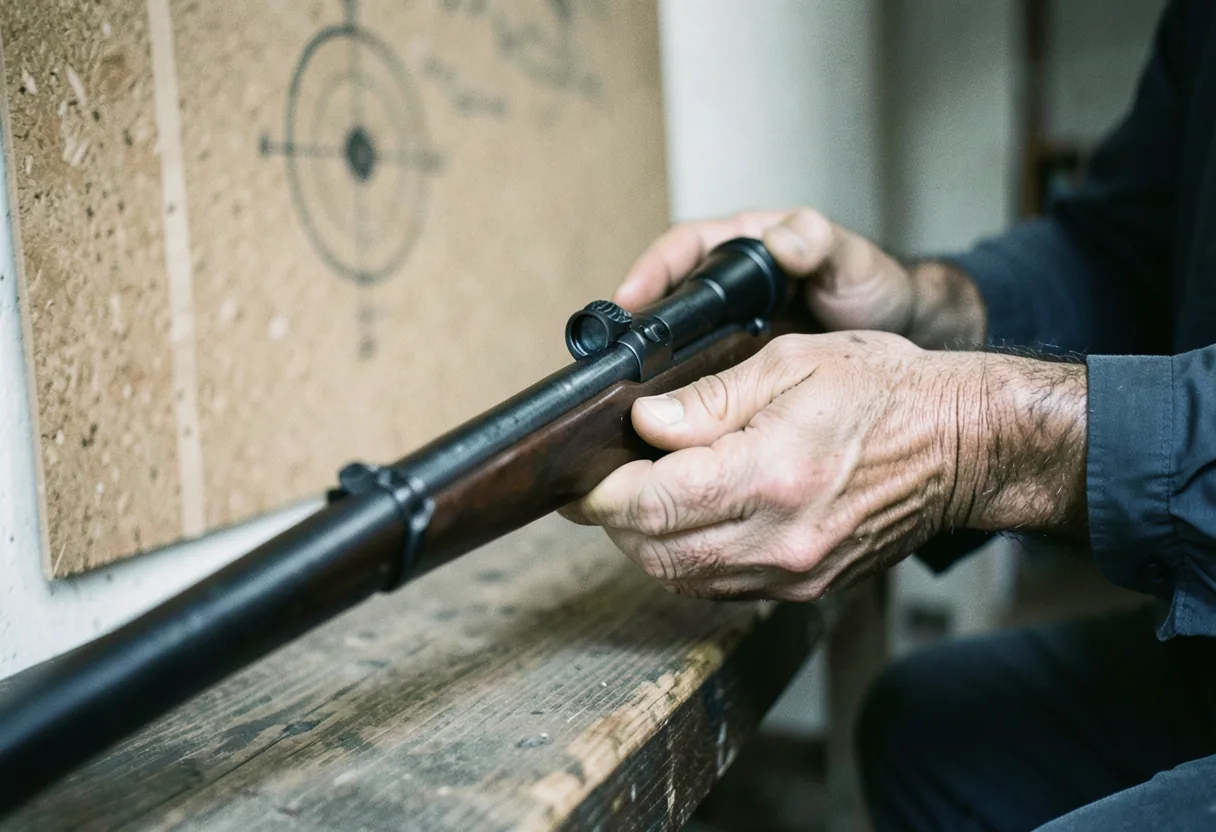
There are several methods to test air rifle accuracy, each with its own advantages. The most common approach is group shooting, where the shooter fires multiple rounds at a target from a fixed distance. The size of the group formed by the shots is then measured to determine accuracy. Another method involves using a chronograph to measure pellet velocity, ensuring consistency in speed, which directly impacts accuracy.
Advanced testing often includes high-speed cameras to capture the exact moment the pellet leaves the barrel, analyzing factors like barrel vibrations and pellet stability. This method is particularly useful for diagnosing issues that aren’t visible through traditional group shooting. Additionally, some shooters use bench rest setups to eliminate human error, focusing solely on the rifle’s mechanical performance.
03What equipment is needed for air rifle accuracy testing?
To conduct accurate tests, you’ll need a few essential tools. A high-quality target with clear markings is the first requirement. Digital chronographs are invaluable for measuring pellet velocity, while high-resolution cameras can capture detailed shot data. A stable shooting platform, such as a bench or rest, ensures consistent positioning during tests.
For more advanced testing, equipment like pellet analyzers and barrel vibration sensors can provide deeper insights. These tools are often used by professional shooters and manufacturers to fine-tune performance. The table below outlines the basic equipment needed for different levels of testing.
04How do environmental factors affect air rifle accuracy testing?
Environmental conditions can significantly impact the results of air rifle accuracy testing. Temperature fluctuations can cause the barrel to expand or contract, affecting pellet trajectory. Humidity levels can also influence pellet performance, as moisture in the air can alter drag and drop. Wind is perhaps the most challenging variable, as even a slight breeze can push pellets off course.
To mitigate these effects, tests should be conducted in controlled environments whenever possible. Shooting indoors or using wind shields can help maintain consistent conditions. Additionally, shooters should allow their rifles to acclimate to the testing environment before beginning. The table below highlights how different environmental factors can affect test results.
05How to document and analyze air rifle accuracy test results?
Documenting test results is crucial for tracking progress and identifying areas for improvement. Start by recording the date, time, and environmental conditions of each test. Measure the group size formed by the shots and note any inconsistencies in pellet velocity. High-resolution images of the target can provide visual evidence of shot placement.
Analyzing the data involves looking for patterns and anomalies. For example, if shots are consistently off to the right, it could indicate a scope alignment issue. Velocity data can reveal inconsistencies in the rifle’s power plant. Software tools like Ballistic Coefficient calculators can help analyze pellet performance. Regularly reviewing test data allows shooters to make informed adjustments and refine their technique.
06What are some common mistakes in air rifle accuracy testing?
Even experienced shooters can make mistakes during accuracy testing. One common error is failing to use a consistent shooting position. Variations in stance or grip can introduce human error, making it difficult to isolate rifle performance. Another mistake is neglecting to clean the barrel before testing, as fouling can affect accuracy.
Using low-quality pellets or inconsistent ammunition can also skew results. Always use the same type of pellet for testing to ensure consistent performance. Additionally, overlooking environmental factors can lead to inaccurate data. Wind, temperature, and humidity should all be considered when conducting tests. By avoiding these common pitfalls, shooters can achieve more reliable and accurate results.
To ensure accurate air rifle accuracy testing methods, follow these steps:
- Set up a stable shooting platform and ensure the rifle is properly mounted.
- Choose a high-quality target and place it at a consistent distance.
- Use a chronograph to measure pellet velocity and ensure consistency.
- Fire multiple shots and measure the group size formed on the target.
- Document environmental conditions and any observed inconsistencies.
- Analyze the data to identify patterns and areas for improvement.
- Make necessary adjustments and retest to validate changes.
Air rifle accuracy testing is a critical part of maintaining and improving your shooting performance. By following standardized methods and using the right equipment, you can ensure consistent and reliable results. Whether you’re a competitive shooter or a hobbyist, understanding and applying these testing methods will help you achieve greater precision and accuracy.
07Frequently asked questions
How do temperature changes affect air rifle accuracy?
Air rifles perform best at moderate temperatures, ideally between 60-70°F. Below 50°F, pellet velocity drops noticeably, reducing accuracy. Above 80°F, pellets may expand slightly, altering their flight path. Always test accuracy in the conditions where you'll actually shoot.
What's the best distance for accuracy testing?
Standard benchrest accuracy tests use 25 or 50 yards for pistols and 50 or 100 yards for rifles. Competitive shooters often test at 100 yards to reveal minor inaccuracies. For hunting rifles, test at your typical engagement distance, often 30-50 yards.
How does pellet weight impact air rifle accuracy?
Heavier pellets, like 14.3-grain .22 caliber or 25.4-grain .177 caliber, typically improve accuracy by resisting wind better. However, your rifle's power level must match the pellet weight. Underpowered pellets won't stabilize properly, reducing accuracy.
Why should I use a chronograph during accuracy testing?
A chronograph measures pellet velocity, helping you identify inconsistencies in your rifle's powerplant. Velocity variations over 10 FPS can indicate issues affecting accuracy. Place it 10-15 feet downrange from the muzzle for accurate readings.