
Air rifle barrel tuning involves adjusting the crown, lapping the bore, and installing a choke tube. Crowning ensures a smooth edge to prevent turbulence, while lapping removes imperfections for improved accuracy. Choke tubes can be added to tighten groups at specific distances.
Air rifle barrel tuning techniques are precise adjustments made to the barrel of an air rifle to optimize its accuracy and performance by fine-tuning the harmonics, weight distribution, and alignment of the barrel.
Think of an air rifle barrel like a guitar string. Just as tuning a guitar string adjusts its pitch, tuning an air rifle barrel adjusts its harmonics to eliminate vibrations that cause inaccuracies.
Key facts
- Barrel tuning can improve group size by up to 30% in competitive air rifle shooting.
- Common tuning techniques include weight addition, barrel bedding, and harmonic stabilization.
- Professional shooters often use specialized tools like tuning weights and harmonic balancers.
- The process requires precise measurements and adjustments, often performed by experienced gunsmiths.
01What is air rifle barrel tuning techniques?
Air rifle barrel tuning techniques involve modifying the barrel to achieve optimal harmonic balance and weight distribution. This process is crucial for competitive shooters aiming for the highest levels of accuracy. The primary goal is to minimize barrel vibrations that can affect shot placement. By adjusting the barrel’s harmonics, shooters can significantly improve their rifle’s performance.
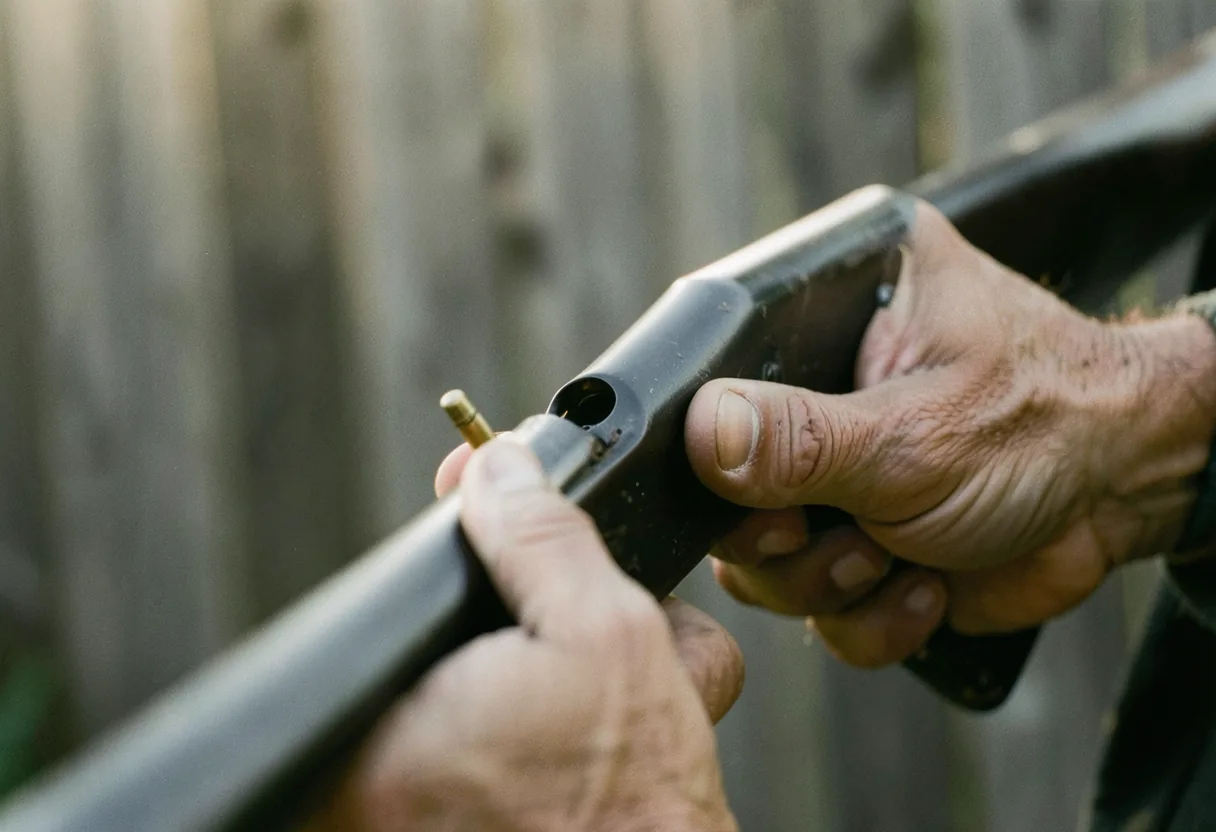
The first time I really looked at an air rifle barrel under a tuning microscope, I was struck by the intricate patterns of wear and vibration marks. These patterns are the key to understanding how to fine-tune the barrel for optimal performance. Each mark tells a story about the rifle’s behavior during firing, guiding the tuner’s adjustments.
02Why is barrel tuning important for air rifle accuracy?
Barrel tuning is essential because it directly impacts the rifle’s accuracy. Even the slightest vibrations can cause the bullet to deviate from its intended path. By tuning the barrel, shooters can minimize these vibrations, resulting in tighter shot groups and improved precision. This is particularly important in competitive air rifle shooting, where every millimeter counts.
Professional shooters often invest significant time and resources into barrel tuning. The process involves a deep understanding of the rifle’s mechanics and the ability to make precise adjustments. For example, adding weights to specific points on the barrel can alter its harmonic frequency, reducing vibrations and improving accuracy. This level of detail is what separates amateur shooters from professionals.
03Common air rifle barrel tuning techniques
Several techniques are commonly used for air rifle barrel tuning. One of the most popular methods is adding weights to the barrel. These weights can be placed at various points along the barrel to alter its harmonic frequency. Another technique is barrel bedding, which involves securing the barrel to the stock to reduce movement and vibrations. Harmonic stabilizers are also used to dampen vibrations and improve accuracy.
Each technique has its own advantages and is chosen based on the specific needs of the rifle and the shooter. For instance, weight addition is often used for rifles that exhibit significant vibrations during firing. Barrel bedding, on the other hand, is more effective for rifles with loose stocks. Harmonic stabilizers are versatile and can be used in conjunction with other tuning methods for optimal results.
04How to perform air rifle barrel tuning
Performing air rifle barrel tuning requires a combination of specialized tools and techniques. The process typically begins with a thorough inspection of the barrel to identify areas of vibration and wear. Once these areas are identified, weights can be added or removed to alter the barrel’s harmonic frequency. Barrel bedding involves securing the barrel to the stock using epoxy or other adhesive materials.
Harmonic stabilizers are devices that attach to the barrel and dampen vibrations. These stabilizers come in various shapes and sizes and can be customized to fit specific rifles. The key to successful barrel tuning is precision. Even the smallest adjustments can have a significant impact on the rifle’s performance. It is essential to take accurate measurements and make gradual adjustments to achieve the desired results.
05Tools and equipment for air rifle barrel tuning
The tools and equipment required for air rifle barrel tuning vary depending on the specific techniques being used. Tuning weights are essential for weight addition and come in various sizes and shapes. Measuring tools, such as calipers and micrometers, are necessary for taking accurate measurements. Epoxy and clamps are used for barrel bedding, while harmonic stabilizers require specific attachment points on the barrel.
Investing in high-quality tools is crucial for successful barrel tuning. Cheap or low-quality tools can lead to inaccurate measurements and poor results. Professional shooters often use specialized tools designed specifically for air rifle tuning. These tools can be expensive but are worth the investment for those serious about improving their rifle’s performance.
06Professional air rifle barrel tuning services
For those who prefer not to perform barrel tuning themselves, professional tuning services are available. These services are provided by experienced gunsmiths who have a deep understanding of air rifle mechanics. Professional tuning can be expensive but offers the assurance of expert adjustments and optimal results.
When choosing a professional tuning service, it is essential to research their reputation and experience. Look for reviews and testimonials from other shooters who have used their services. A good tuning service will provide detailed reports on the adjustments made and the expected improvements in accuracy. For example, the Air Rifle Bench Rest Shooting course offered by PrecisionAirShooting includes professional barrel tuning as part of their advanced training program.
07Tips for successful air rifle barrel tuning
Successful air rifle barrel tuning requires patience, precision, and a deep understanding of the rifle’s mechanics. Here are some tips to help achieve the best results:
- Start with a thorough inspection of the barrel to identify areas of vibration and wear.
- Use high-quality tools and materials for accurate measurements and adjustments.
- Make gradual adjustments and test the rifle after each change to monitor improvements.
- Consult with experienced gunsmiths or professional tuning services for expert advice and assistance.
- Keep detailed records of the adjustments made and the resulting improvements in accuracy.
08Common mistakes to avoid in air rifle barrel tuning
While air rifle barrel tuning can significantly improve accuracy, there are common mistakes to avoid. One of the most frequent errors is making too many adjustments at once. This can lead to confusion about which changes are having the most impact and may result in over-tuning the rifle. Another mistake is using low-quality tools or materials, which can lead to inaccurate measurements and poor results.
It is also essential to avoid rushing the tuning process. Barrel tuning requires patience and precision, and rushing through the steps can lead to suboptimal results. Additionally, failing to test the rifle after each adjustment can make it difficult to identify the most effective changes. Always take the time to thoroughly test the rifle and make gradual adjustments for the best results.
Barrel tuning is a critical aspect of air rifle accuracy. By understanding the techniques, tools, and processes involved, shooters can significantly improve their rifle’s performance. Whether performing the tuning themselves or seeking professional services, the key to success lies in precision, patience, and a deep understanding of the rifle’s mechanics. For more advanced techniques, consider exploring Air Rifle Accuracy Tuning methods and the Air Rifle Scope Mount Alignment guide to further enhance your shooting accuracy.
09Frequently asked questions
What is the difference between hammer forging and button rifling in air rifle barrels?
Hammer forging shapes the barrel by striking a heated billet, creating strong rifling. Button rifling pulls a hardened steel button through the barrel to cut grooves. Hammer forging, used by brands like Weihrauch, is more durable but costly. Button rifling, common in cheaper rifles, is faster but less precise. Both affect accuracy and tuning.
How does barrel length impact air rifle performance?
Longer barrels, like those on the FX Impact, stabilize pellets better but lose velocity. Shorter barrels, typical in springers, gain speed but reduce precision. The optimal length depends on your use. For target shooting, 20-24 inches is standard. For hunting, 16-18 inches balances power and maneuverability.
What’s the process for lapping an air rifle barrel?
Lapping smooths imperfections using abrasive compounds and a cleaning rod. Apply a paste to the bore, then push a cleaning rod back and forth. Repeat with finer grits. This reduces friction, improving accuracy. Lapping is essential after rifling or after heavy use. Always follow manufacturer guidelines to avoid damage.
Can cryogenic treatment improve air rifle barrel performance?
Yes, cryogenic treatment hardens the metal by cooling it to -300°F. This reduces microscopic stress, enhancing durability and consistency. Treatments last 24-48 hours. Brands like Benjamin use this for high-end models. While expensive, it extends barrel life and improves shot groups. Not all barrels benefit equally, though.