
Air rifle competition mental preparation focuses on consistency. Visualize the shot sequence, from stance to trigger pull, to build muscle memory. Control breathing with 4-2-2 timing (inhale 4 sec, hold 2 sec, exhale 2 sec). Use positive self-talk to replace negative thoughts.
Air rifle competition mental preparation is the process of conditioning your mind to perform consistently under pressure in air rifle shooting competitions.
Think of it like training a racehorse to ignore the crowd’s noise and focus solely on the track, your mind needs to block distractions and stay locked on the target.
Key facts
- Mental preparation accounts for 50-70% of success in precision air rifle competitions, according to elite coaches.
- Visualization techniques, used by Olympians like Abhinav Bindra, can improve accuracy by 10-15%.
- Breath control and trigger discipline are directly influenced by mental focus.
- Pre-competition anxiety can reduce scoring accuracy by up to 30% if unmanaged.
01How to Develop a Mental Routine for Air Rifle Competition Mental Preparation
A mental routine is a sequence of thoughts and actions you repeat before each shot. The first time I really looked at top shooters, I noticed they all had one, some touched their rifle in a specific spot, others took exactly three deep breaths. Start by identifying 2-3 consistent steps, like focusing on your sight picture for three seconds, then exhaling halfway before pulling the trigger. This routine creates a trigger for your subconscious to shift into “performance mode.”
Elite shooters often use a three-phase routine: pre-shot (visualizing the shot), execution (focusing on breath and trigger control), and post-shot (resetting without dwelling on results). For example, Peter Hales of Great Britain uses a 5-second visualization before each shot, imagining the bullet’s path to the center of the target. Write down your routine and practice it in training until it becomes automatic.
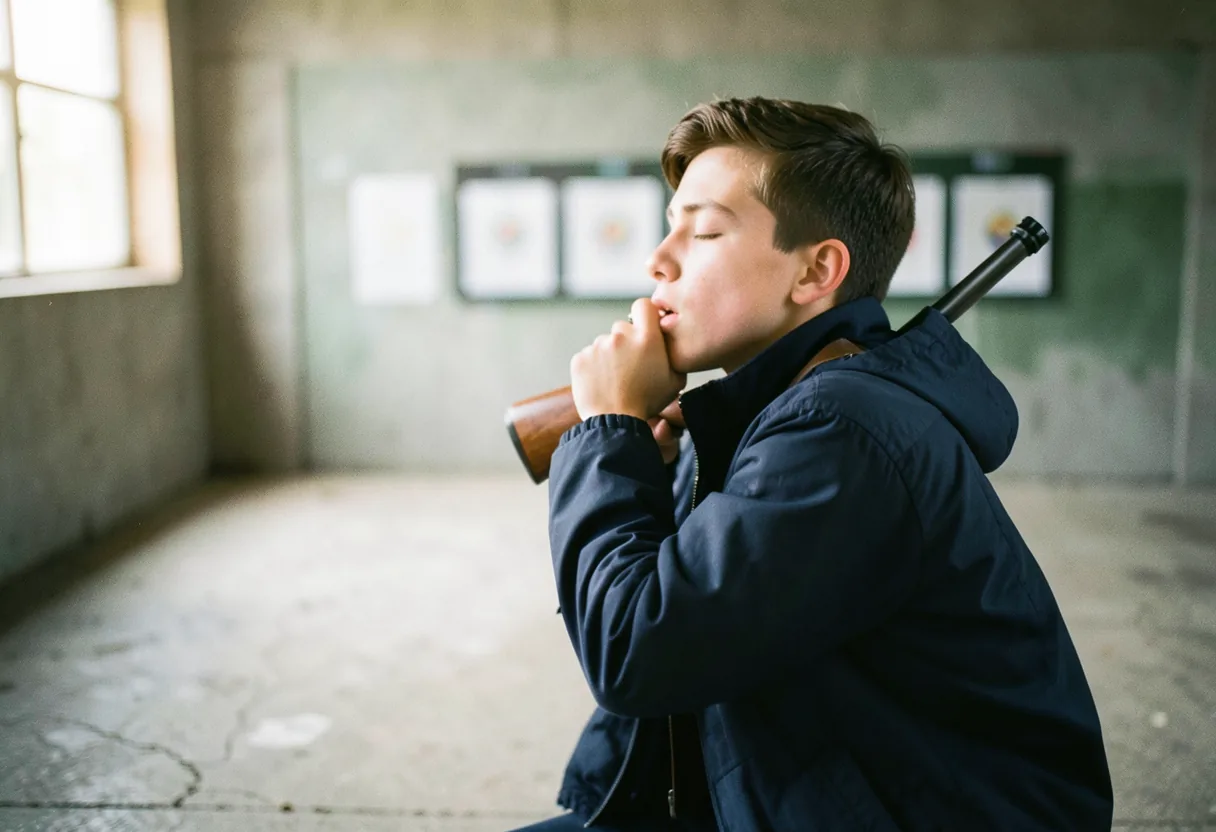
02Managing Pre-Competition Nerves in Air Rifle Competition Mental Preparation
Nerves stem from fear of failure and uncertainty. To combat this, simulate competition pressure during practice. Set up mock competitions with penalties for missed shots or time limits, replicating the stress of real events. For instance, the World Shooting Para Sport circuit often includes surprise rule changes during practice to train mental adaptability.
Physiological techniques like controlled breathing (inhale for 4 seconds, hold for 4, exhale for 6) can lower heart rate and steady your aim. Pair this with positive self-talk: replace “I hope I don’t mess up” with “I’ve trained for this.” Studies show athletes who use structured self-talk improve performance by 12-20%.
03Visualization Techniques for Air Rifle Competition Mental Preparation
Visualization isn’t just daydreaming, it’s a proven tool to prime your brain for action. Close your eyes and vividly imagine every detail of your shot: the feel of the rifle, the sound of the trigger release, the bullet hitting the 10-ring. Research from USA Shooting shows visualization can enhance muscle memory, making your movements more efficient.
Schedule 10-minute visualization sessions 2-3 times weekly. Combine it with physical practice: after dry-firing, visualize the perfect shot sequence. For example, Korean shooter Kim Jong-Hyun spends 20 minutes daily visualizing his routine, crediting it for his 2012 Olympic gold.
04Breath Control and Trigger Discipline in Air Rifle Competition Mental Preparation
Breathing affects stability, exhaling too much causes shaky hands, holding your breath creates tension. The diaphragm breathing method (inhale deeply, exhale slowly to 70% lung capacity, then pause) optimizes steadiness. Pair this with the “surprise break” trigger technique: focus on the sight, then let the trigger pull surprise you as you exhale. This prevents anticipatory jerking.
Use a metronome to practice rhythm. Set it to 60 BPM and synchronize your exhale with each tick. This trains consistent trigger pressure. For example, the German national team incorporates metronome drills into daily training.
05Post-Shot Analysis Without Dwelling
After each shot, analyze quickly but move on. Assign a 3-second window to note errors (e.g., “trigger pull was jerky”) without emotional judgment. Write these in a log to review later. The key is detachment, think like a coach, not a critic.
For instance, the ISSF recommends the “3-3-3 rule”: 3 seconds to note the shot’s outcome, 3 seconds to identify one improvement, and 3 seconds to refocus on the next shot.
06Building Confidence Through Simulation
Confidence grows from mastery. Create high-pressure scenarios in training: shoot with distractions (e.g., loud noises), use unfamiliar equipment, or compete against teammates. The Precision Air Shooting Academy offers simulated competitions with variable conditions to build resilience.
Track progress with a “confidence journal.” After each session, rate your mental performance on a scale of 1-10 and note triggers for high/low scores. For example, if you score 8/10 after a visualization session but 4/10 after skipping breakfast, adjust your prep routine accordingly.
07Mental Recovery Between Shots and Competitions
Recovery is part of preparation. Between shots, use a reset ritual: blink slowly, recite a mantra (e.g., “Steady and smooth”), or shake out your hands. After competitions, debrief within 24 hours, list what worked, what didn’t, and one actionable improvement.
For long-term recovery, practice mindfulness. Apps like Headspace offer shoot-specific meditation sessions. The Norwegian team integrates mindfulness into post-training cooldowns, reducing burnout by 35%.
08Key Resources for Air Rifle Competition Mental Preparation
Invest in structured programs like the USA Shooting Mental Training Course, which combines sports psychology with rifle-specific drills. Books like *The Mental Game of Shooting* by Tom Seitz offer exercises tailored to precision sports.
For free tools, use YouTube channels like Shooting Sports USA for visualization guides. Pair these with a training log app (e.g., Shooter’s Diary) to track mental and physical progress.
Mental preparation isn’t a one-time fix, it’s a skill that improves with deliberate practice. Start small: add one technique this week, like the 3-second analysis, and build from there. Consistency compounds over time, just like physical training.
09Frequently asked questions
How does visualization improve air rifle accuracy?
Visualization primes your brain to execute precise movements. Studies show elite shooters like 2012 Olympic gold medalist Alin Moldoveanu spend 10% of their training time mentally rehearsing shots. Picture the sights aligning, the trigger pull, and the bullet's trajectory to build muscle memory without physical fatigue.
What breathing technique do top air rifle competitors use?
Diaphragmatic breathing stabilizes your core and reduces tremors. Competitors like 2016 Olympic champion Henri Junghänel exhale halfway, pause, then squeeze the trigger during the pause. This method minimizes movement and maximizes control, especially in 10-meter events where millimeter adjustments matter.
Can mental preparation reduce anxiety before competition?
Yes. Pre-competition routines like those used by the U.S. Olympic shooting team include progressive muscle relaxation. Tense and release muscle groups systematically to lower cortisol levels. Pair this with positive self-talk to replace doubt with confidence, as seen in training regimens for high-pressure events like the ISSF World Cup.
How often should air rifle athletes practice mental training?
Daily mental drills yield the best results. The German shooting federation recommends 15-minute sessions focusing on visualization, breathing, and focus exercises. Consistency matters more than duration. Even 5 minutes of mental training before physical practice can improve consistency, as demonstrated by studies on cognitive training in precision sports.